
Technology
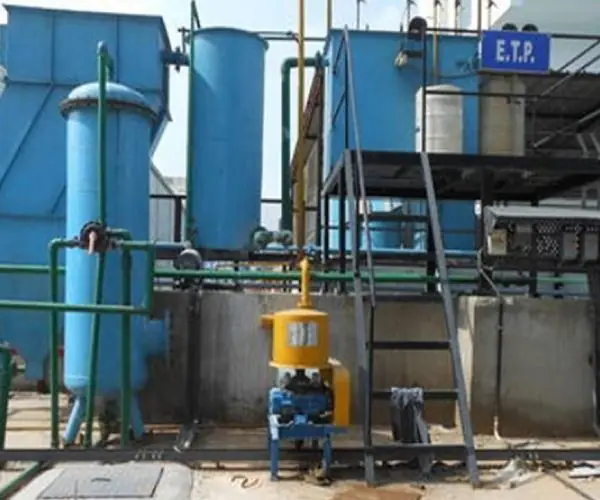
Retrofitting & Upgrading Aging ETPs
Strategic engineering techniques to double the capacity and efficiency of an old ETP without buying new land.
2 min read Aaradhya Enviro technical team
Quick answer
An ageing or overloaded ETP can usually be brought back within norms by retrofitting rather than rebuilding: a performance audit, MBBR conversion for extra capacity, better equalisation, energy-efficient aeration, tertiary filtration and automation, implemented in phases to keep production running.
1. The Crisis of Aging Infrastructure
The majority of industrial ETPs in Maharashtra were built over a decade ago. Since then, factory production has doubled, and MPCB discharge norms have become significantly stricter. The result is consistently failing effluent quality. However, tearing down the plant to build a massive new one is often financially and geographically impossible.
2. The MBBR Retrofit Miracle
The most revolutionary upgrade for an overloaded Activated Sludge Process (ASP) aeration tank is converting it into a Moving Bed Biofilm Reactor (MBBR). Here is how it works:
- Thousands of specially engineered plastic media (which look like small wagon wheels) are dumped directly into the existing aeration tank.
- These media provide an astronomical surface area for bacteria to colonize and form highly resilient 'biofilms'.
- Because the bacteria are attached to the media rather than floating freely, the biological capacity of the exact same concrete tank is virtually doubled. It requires zero extra land.
3. Aeration and Automation Upgrades
Old ETPs often use massive, energy-guzzling surface aerators that splash water into the air. By draining the tank and installing a grid of Fine Bubble EPDM Tube Diffusers at the bottom connected to a highly efficient Roots Blower, oxygen transfer efficiency jumps from 10% to over 20%. This single upgrade can slash the ETP's electricity bill by 40%.
Furthermore, replacing manual valve operations with an automated PLC/SCADA system ensures chemicals are dosed perfectly based on live pH and ORP sensors, eliminating human error during night shifts.