
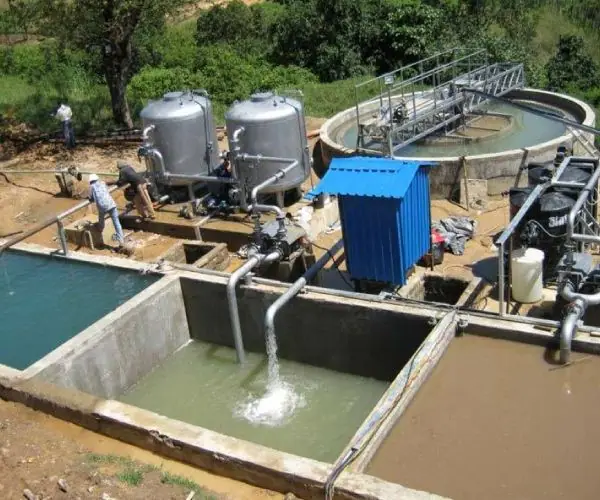
Water Treatment
Comprehensive Guide to ETP & STP Operations
A deep dive into the technical maintenance, biological parameters, and regulatory compliance for Effluent and Sewage Treatment Plants.
2 min read Aaradhya Enviro technical team
Quick answer
Stable ETP and STP operation depends on keeping the biological process healthy: MLSS around 2,500–3,500 mg/L, dissolved oxygen around 1.5–2.5 mg/L and a balanced food-to-microorganism ratio, plus daily logbooks, sludge wasting and quick troubleshooting of problems such as pin floc, septic conditions or floating sludge.
1. Executive Summary
Effluent Treatment Plants (ETP) and Sewage Treatment Plants (STP) form the backbone of industrial environmental compliance. With the rapid industrialization in Maharashtra, the Maharashtra Pollution Control Board (MPCB) has instituted stringent discharge norms. Failure to maintain optimal parameters can lead to severe ecological damage and immediate plant closure.
2. Biological Process Mechanics
The core of any conventional ETP or STP is the aeration tank, which utilizes the Activated Sludge Process (ASP). This relies on a highly sensitive ecosystem of aerobic bacteria to consume organic pollutants.
- Mixed Liquor Suspended Solids (MLSS): Must be maintained between 2500 - 3500 mg/L. A drop indicates bacterial death (often due to toxic shock), while excess leads to sludge bulking in the clarifier.
- Dissolved Oxygen (DO): The lifeblood of the bacteria. Blowers must maintain DO levels strictly between 1.5 - 2.5 mg/L.
- Food to Microorganism (F/M) Ratio: Maintaining a ratio of 0.15 to 0.3 ensures bacteria are perfectly fed, maximizing BOD reduction.
3. Troubleshooting Common ETP Failures
| Symptom | Probable Cause | Immediate Action |
|---|---|---|
| Pin Floc in Clarifier | Old sludge / Over-aeration | Increase sludge wasting (WAS); reduce blower RPM. |
| Dark, foul-smelling aeration tank | Septic conditions / Zero DO | Check diffusers; switch to standby blower immediately. |
| Floating Sludge (Denitrification) | Excess nitrates converting to N2 gas | Increase return sludge (RAS) rate to reduce clarifier retention time. |
4. Conclusion & Actionable Steps
Reactive maintenance is a recipe for disaster. Facilities must implement predictive maintenance protocols, including daily chemical logging and weekly sensor calibrations. At Aaradhya Enviro, our turnkey O&M (Operation and Maintenance) contracts guarantee that your plant will consistently exceed MPCB compliance metrics.